Free entry, and yet the Rosetta Stone alone would be worth a ticket. We did three hours and barely scratched the Egyptian halls — plan more time than you think.
Megan O. · Ireland
London · Bloomsbury · The British Museum
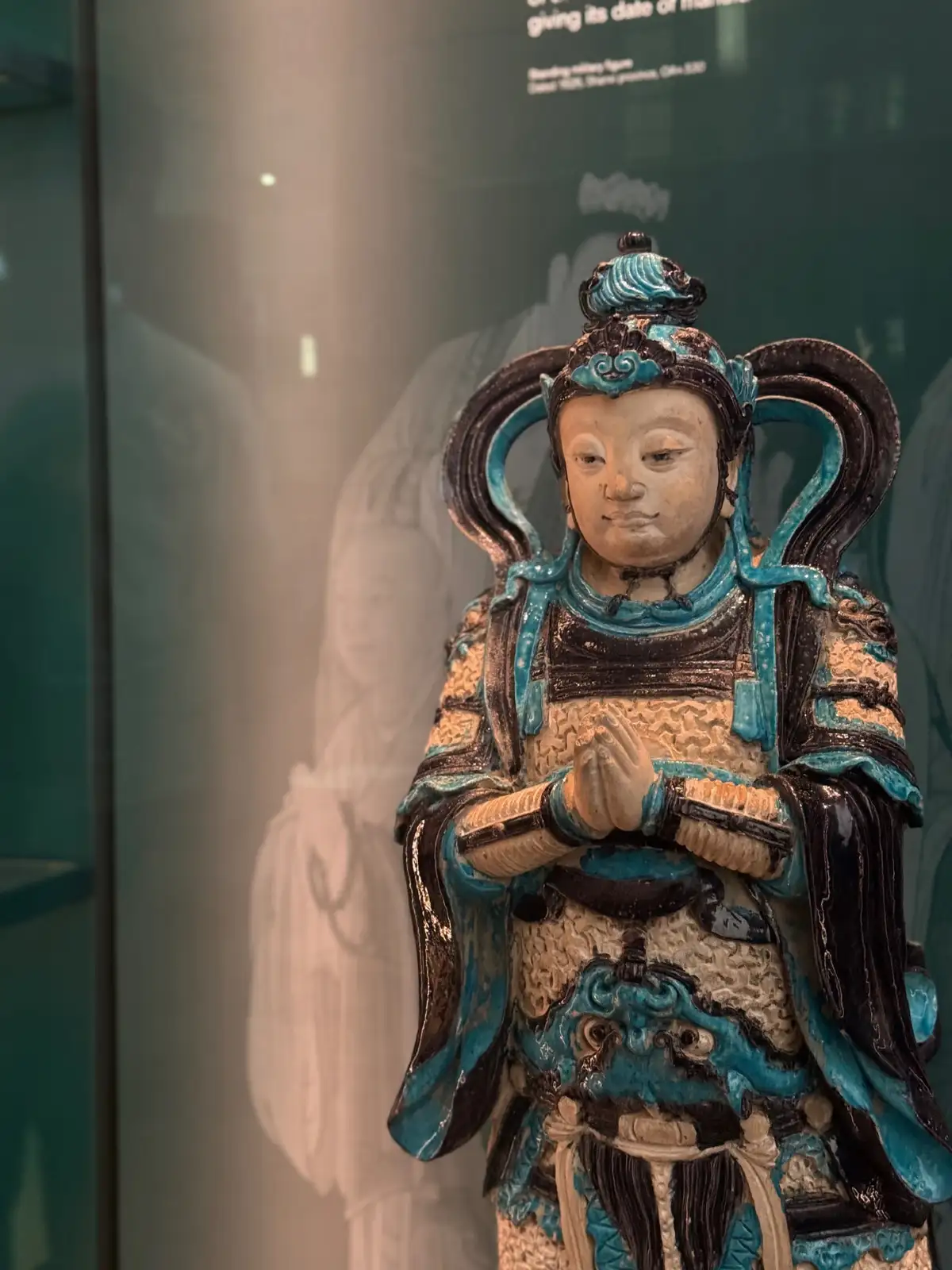
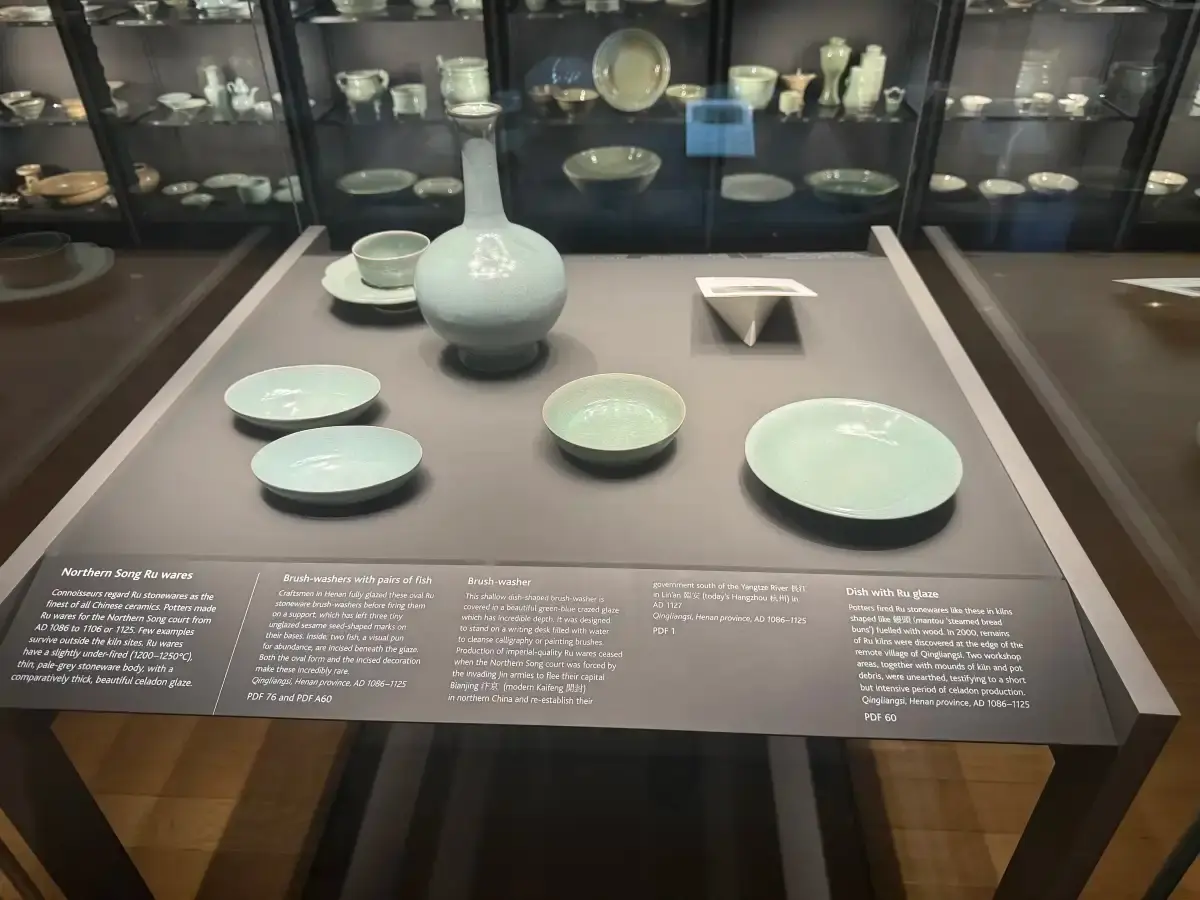
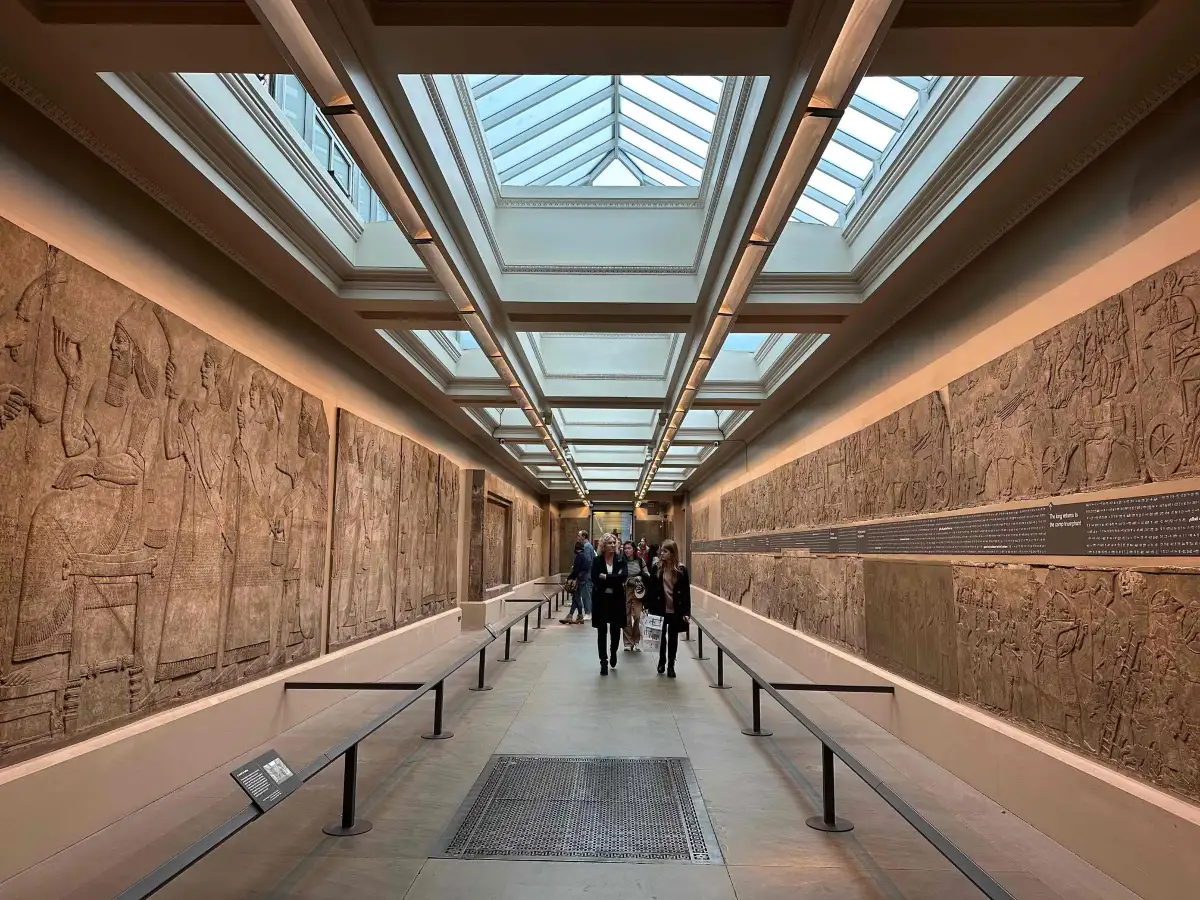
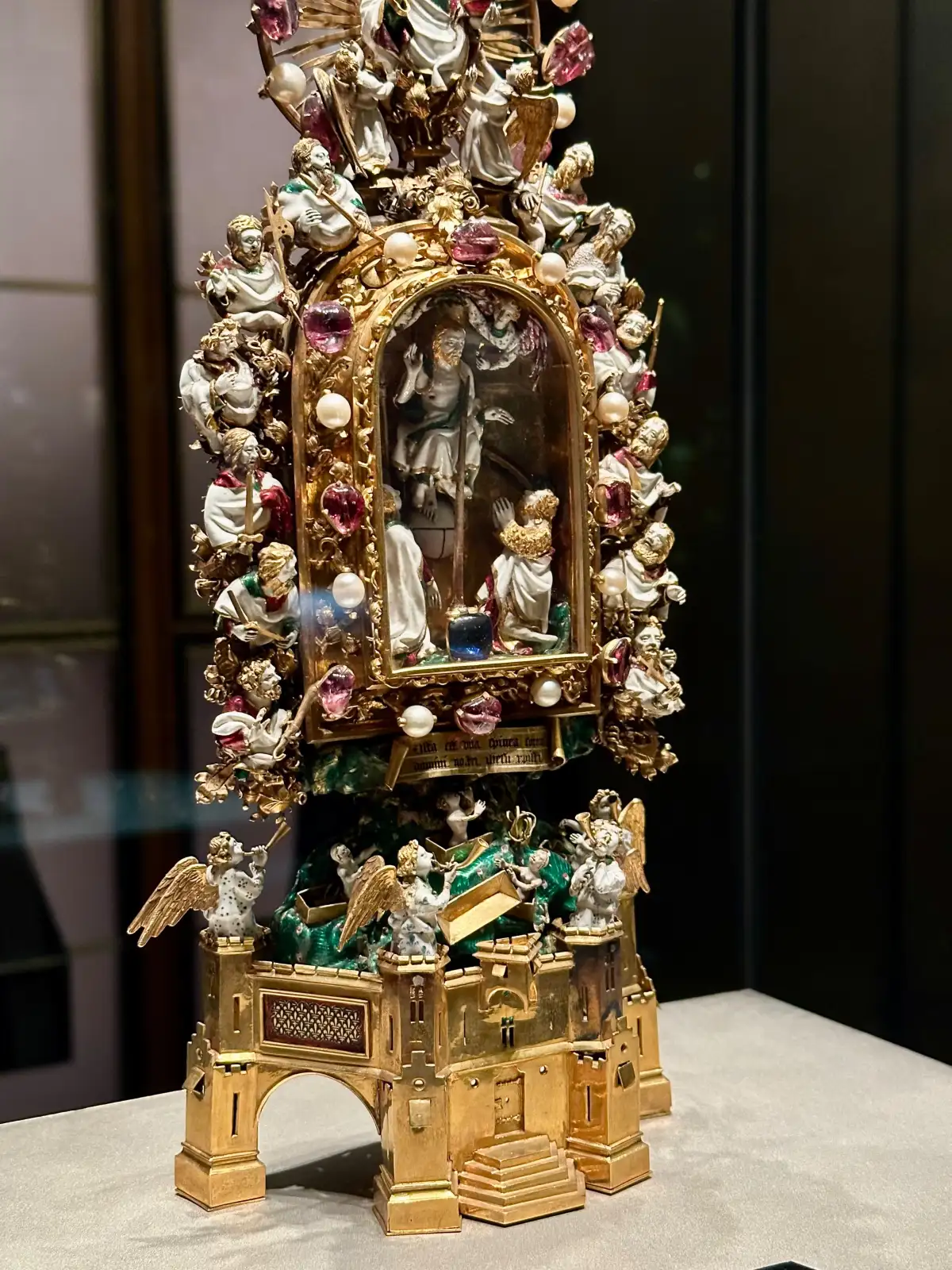
The first national public museum the world ever knew — founded in 1753, free to every visitor since day one, and home to two million years of human history. The Rosetta Stone, the Parthenon sculptures, Egyptian mummies and the great glass-domed Court all live here, a short walk from Covent Garden.
01 · The Museum
When it opened its doors in 1759, the British Museum was a radical idea: a national collection that belonged to everyone, free to enter, forever. Nearly three centuries later it has grown into one of the great repositories of human achievement — eight million objects spanning every continent and every era, from the Rosetta Stone that cracked Egyptian hieroglyphs to the Anglo-Saxon treasures of Sutton Hoo.
Its great trick is the courtyard you enter through. The glass-latticed Great Court — the largest covered square in Europe — turns even a rainy Bloomsbury morning into an event, and from there the galleries fan out across floors and wings like a map of the ancient world. Entry is free, which changes how you visit: no ticket pressure, no rushed three hours. Locals drop in for a single room; you can too.
02 · The grand tour
With free entry you can be selective — and selective is how the museum is best enjoyed. Drag through six unmissable rooms on the classic grand tour; room numbers are stable, but pick up the free map at the desk for the days layout.
The codebreaker
The most visited object in the museum, and rightly so: one slab of granodiorite carrying the same text in three scripts — the key that finally unlocked Egyptian hieroglyphs. It sits at the entrance to the Egyptian sculpture galleries, permanently circled by an admiring crowd.
Room 4 · ground floor, straight in from the Court
Drag the dial, tap a stop, or use the ← → arrow keys.
03 · What awaits
Norman Fosters glass-latticed court is the museums grand stage set: three thousand panes of glass over a bright white round reading room at its center. Stand in the middle, look up, and let the geometry work — it is the finest free room in London, and every visit begins and ends here.

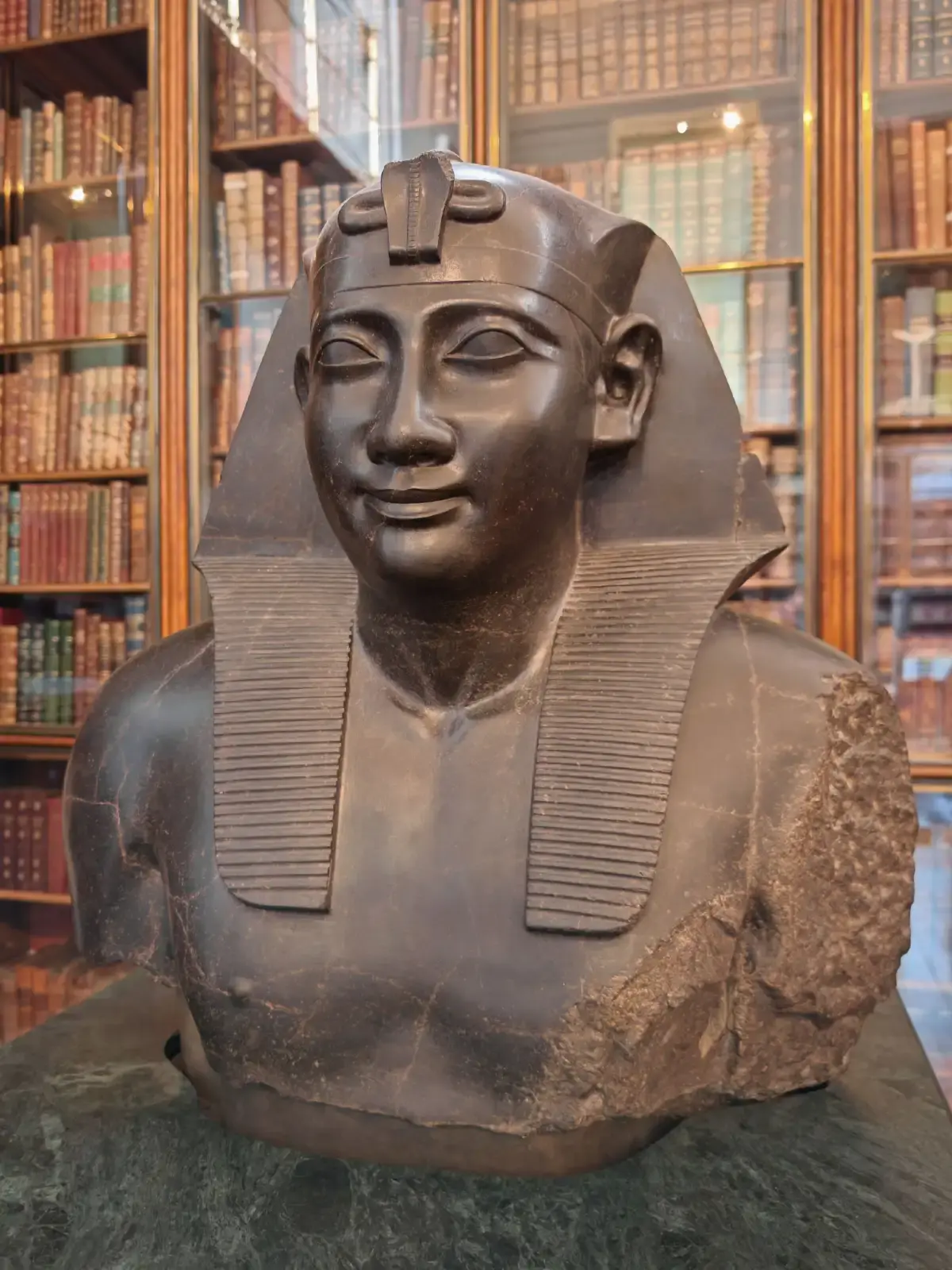
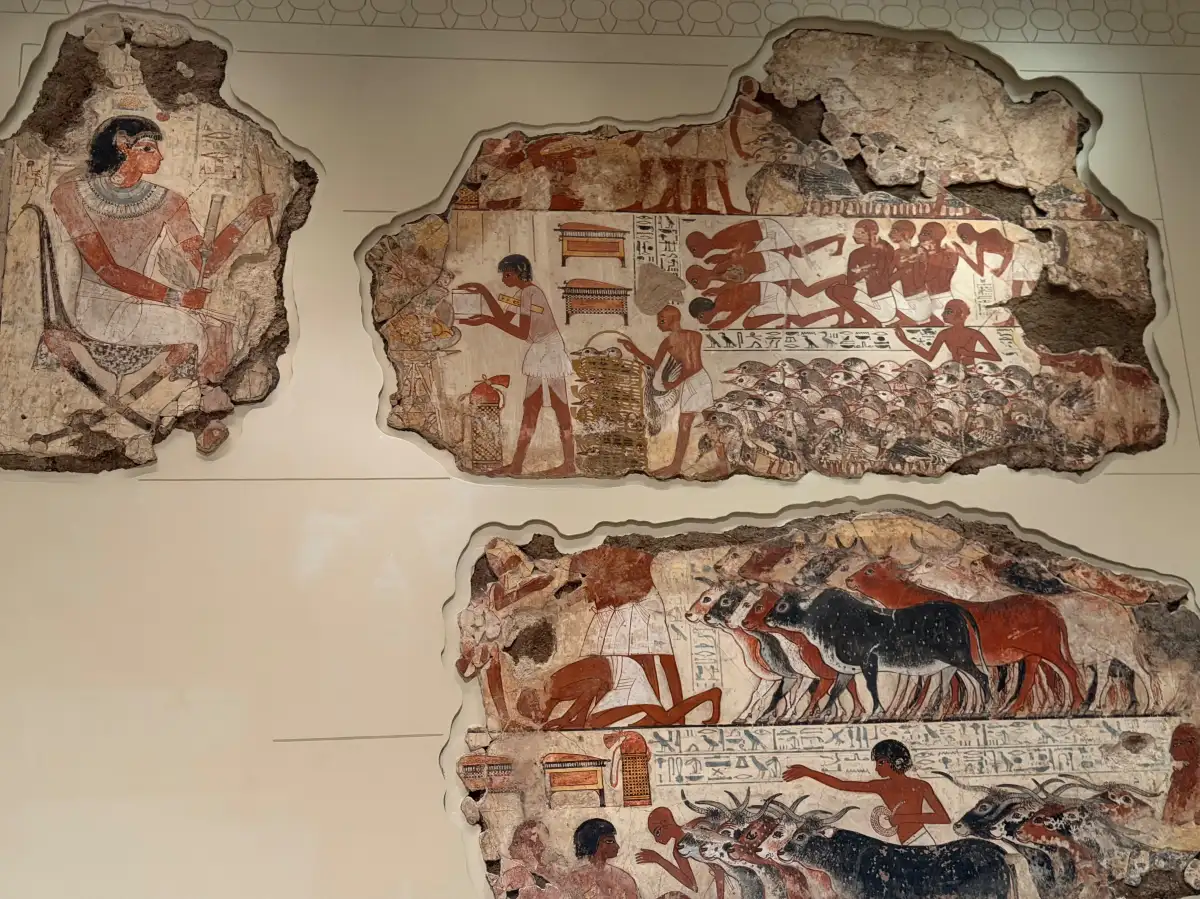
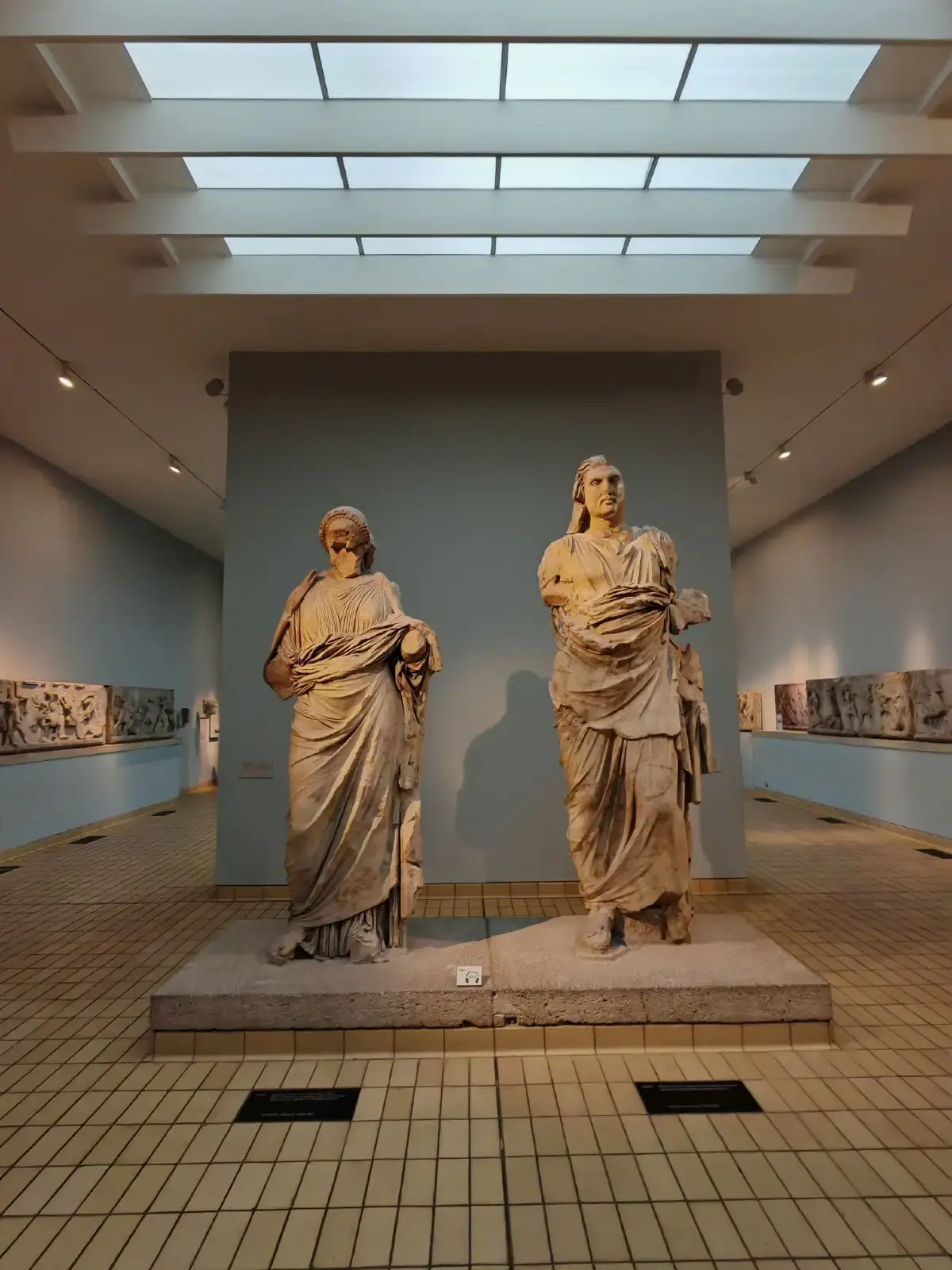
Beyond the Rosetta Stone, the Egyptian sculpture galleries hold colossal pharaohs and lion-headed goddesses — and upstairs in Rooms 62 and 63, the mummy collection is the finest outside Egypt. The scale progression, from monumental statues to intimate coffins, is the museums best-told story.
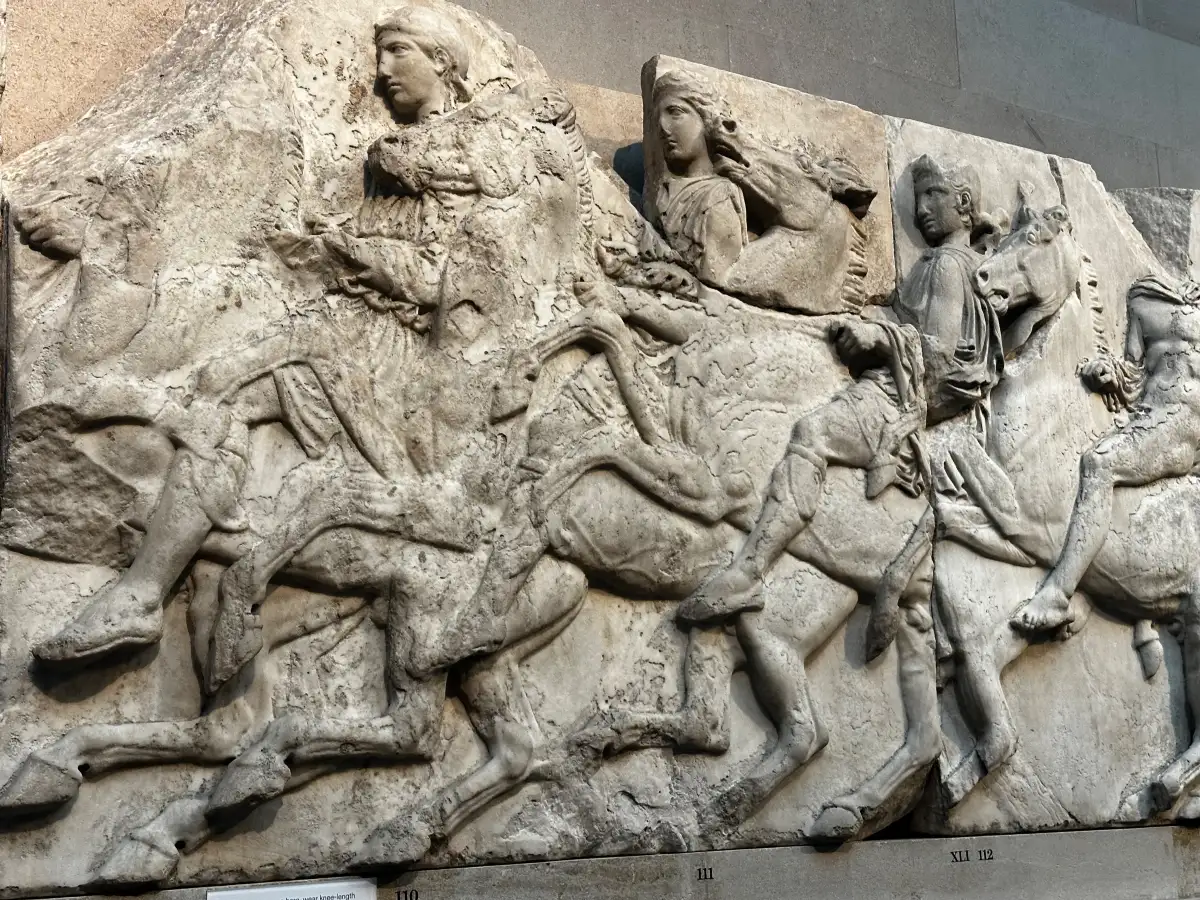
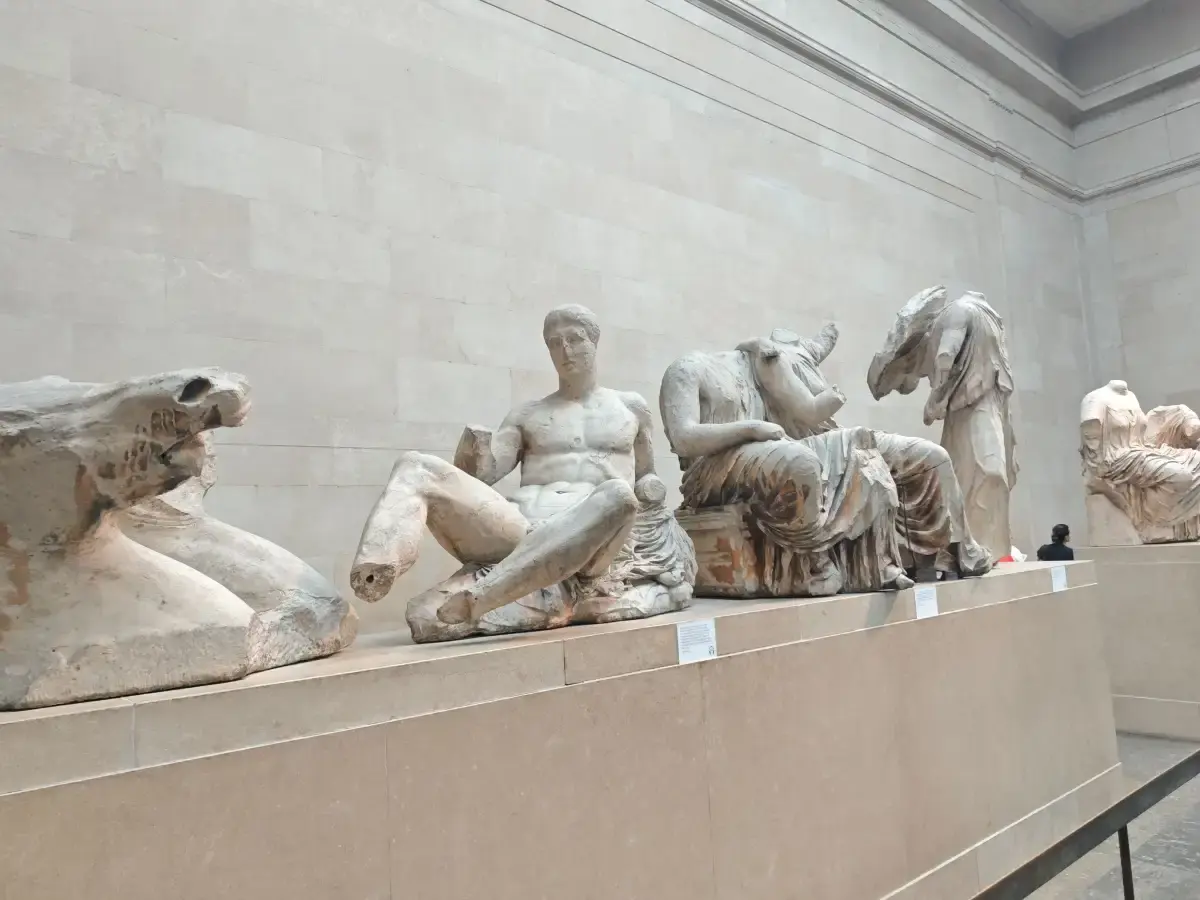
Room 18 was built to recreate the scale of the Parthenon in Athens, and its sculptures — pediments, metopes and the great frieze — remain among the most celebrated (and most debated) objects in any museum. Whatever your view on the conversation around them, standing before them is unforgettable.
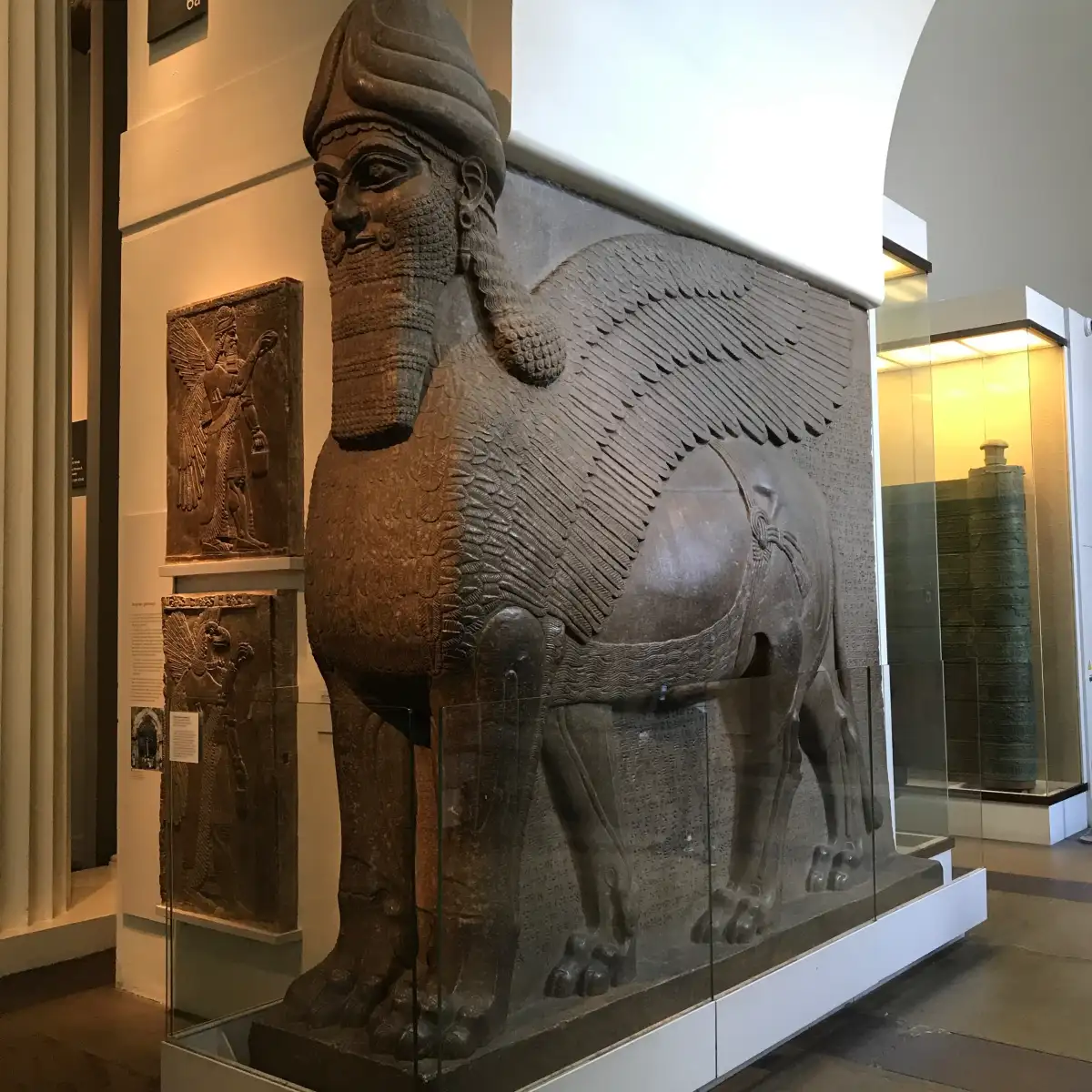
The museums soul lives upstairs in the rooms the crowds rush past: the Sutton Hoo helmet in Room 41, the grumpy 12th-century Lewis Chessmen in Room 40, the Portland Vase and the clocks and watches galleries. An hour of wandering here outweighs an hour anywhere else in London.
04 · Entry is free. Guides earn it.
General entry costs nothing — but a guided highlights tour turns eight million objects into one coherent story, and special exhibitions are ticketed separately. Book ahead for those; browse live tour picks below.
Guided highlights tours, special exhibition tickets and London combos with instant confirmation.
05 · Traveler voices
Free entry, and yet the Rosetta Stone alone would be worth a ticket. We did three hours and barely scratched the Egyptian halls — plan more time than you think.
The Parthenon room stopped me in my tracks — the scale of the frieze is impossible to grasp from photos. Standing under those horses is something else.
Go early on a weekday — by noon the Rosetta Stone is three deep. The kids loved the mummies; the Lewis Chessmen were my personal highlight.
A guided highlights tour was money brilliantly spent — two hours, all the icons, and context that turned cabinets of objects into actual stories. Then we went back to the favorites alone.
Quotes are condensed and paraphrased from recent Tripadvisor traveler reviews; names shortened for privacy.
07 · Plan your visit
Getting there
Tottenham Court Road (Central & Elizabeth lines) is the closest station; Holborn and Russell Square are both short walks too. The main entrance faces Great Russell Street — follow the columned facade.
Security screening applies to all visitors and large bags are not admitted — the museums own rule of thumb is cabin-size or smaller. Lockers nearby handle the rest; less on your back, more in your head.
Covent Garden, the British Library and Soho all sit within a twenty-minute orbit. Museum morning, market lunch, theatre evening — central London rarely assembles a better day. Open in Google Maps
A perfect visit
Enter with the doors, take the Great Court in near silence, grab the free map.
Room 4 before the crowd pools — the stone reads best at a calm distance.
The ground-floor loop through the great sculptures, quietest before noon.
Ten minutes on foot — the museum holds all day, and so does the afternoon.
Rooms 62–63 upstairs, then drift through the Sutton Hoo and chessmen rooms at leisure.
Back through the Great Court as the lattice catches the late light — the gift shop knows what it is doing.
Typically 10:00 – 17:00 daily, with later closing on selected Fridays; closed on a handful of dates over the holidays. Entry is free for the permanent collection — some special exhibitions are ticketed. Verify hours before you travel.
Weekday mornings at opening, and the last hour before closing. Summer weekends and school holidays are the busiest; the mummy rooms and Parthenon galleries carry crowds all day.
Guided highlights tours, special exhibition tickets and London combos with instant confirmation — on Trip.com.
08 · Good to know
Six questions every first-timer asks — answered honestly, so nothing surprises you at the gate.
Yes — entry to the permanent collection is free for everyone, with no ticket needed for general visiting. This has been the founding principle since 1759. What costs money: some special exhibitions, guided tours, and the audio guide. For most visitors, a free visit plus a paid highlights tour is the perfect split.
Three hours covers the grand tour of icons at a humane pace. Half a day lets you add one quiet wing properly. The full collection would take a week of solid walking — which is exactly why the free entry matters: you can come back tomorrow and it will still be free.
The classic six: the Rosetta Stone (Room 4), the Parthenon sculptures (Room 18), the Egyptian mummies (Rooms 62–63), the Sutton Hoo helmet (Room 41), the Lewis Chessmen (Room 40) and the Great Court itself. Follow the trail in the guide above and you will have seen more history than most visitors manage in a day.
Yes — photography for personal use is welcome in almost all permanent galleries, without flash or tripods. A few loan exhibitions prohibit photography, marked clearly at their entrances. The Great Court under its glass lattice is one of the most photogenic interiors in London; everyone takes that shot, and everyone should.
Brilliantly so — the mummy rooms are a rite of passage, thefree family trails and activity backpacks from the information desk turn galleries into treasure hunts, and entry being free means a short attention span costs nothing. Keep the first visit to two hours and let the asking-for-more happen on its own.
The museum sits on Great Russell Street in Bloomsbury — Tottenham Court Road station (Central & Elizabeth lines) is the closest, with Holborn and Russell Square nearby. Typical hours run 10:00 to 17:00 daily with later closing on selected Fridays, closing only on a few dates around the holidays. Verify hours on the day — open in Google Maps.
One last thing
Guided visits · Special exhibitions · Traveler reviews